
The Best Addiction Treatment Options in Australia
Addiction is a silent battle that plays out behind closed doors across Australia. It doesn't discriminate. It touches families in every suburb, affects professionals in every industry, and disrupts lives when people least expect it. Drug abuse doesn't just harm the person using substances. It ripples outward, straining relationships, derailing careers, and stealing the joy from everyday moments.
If you're reading this, you might be struggling yourself. Or perhaps someone you love is caught in addiction's grip. Either way, here's what you need to know: recovery is possible with the right support and treatment approach.
This guide explores the most effective addiction treatment options available in Australia today. We'll look at what works, why it works, and how to choose the right path for your recovery journey. Consulting with a mental health professional can help you understand which treatment approach best suits your needs.
Understanding Addiction and Recovery
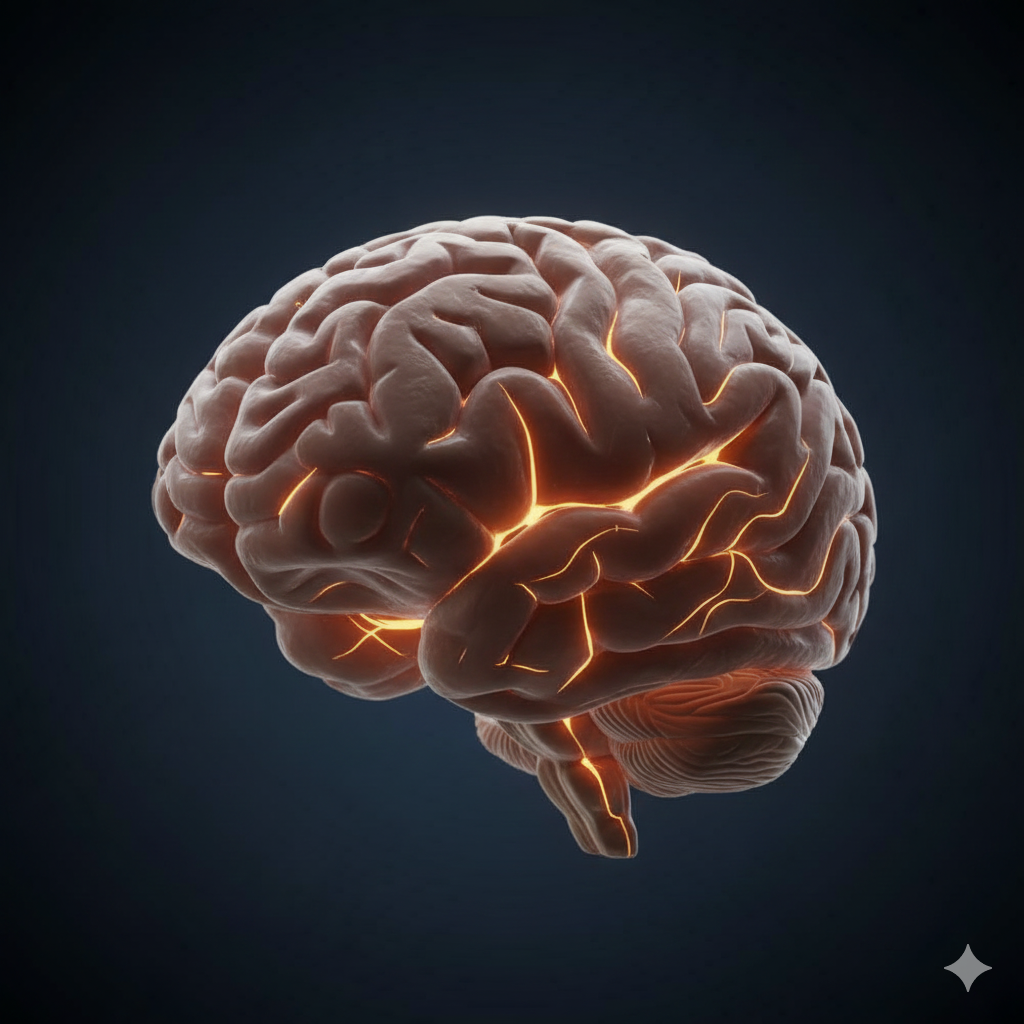
Substance use disorder is a complex condition. It's characterised by uncontrolled use of a substance despite harmful consequences. The condition changes how the brain functions, particularly in the reward system.
These brain changes can last long after the immediate effects wear off. This is why addiction isn't simply a matter of willpower. It's a medical condition that requires proper drug addiction treatment.
Recovery from addiction is often a long-term process. It requires continuous effort and commitment. Relapse is a normal part of this journey. It doesn't mean treatment has failed. It simply means adjustments may be needed.
The most effective treatment addresses multiple needs. This includes medical issues, mental health concerns, and social factors. One-size-fits-all approaches rarely work. Your substance abuse disorder treatment should match your unique situation and needs.
With this understanding in place, let's explore the proven treatments available in Australia. Each approach offers unique benefits, and many people find success by combining multiple methods. We'll start with one of the most powerful yet often overlooked options for addressing the root causes of addiction.
1. Hypnotherapy for Alcohol & Drug Addiction
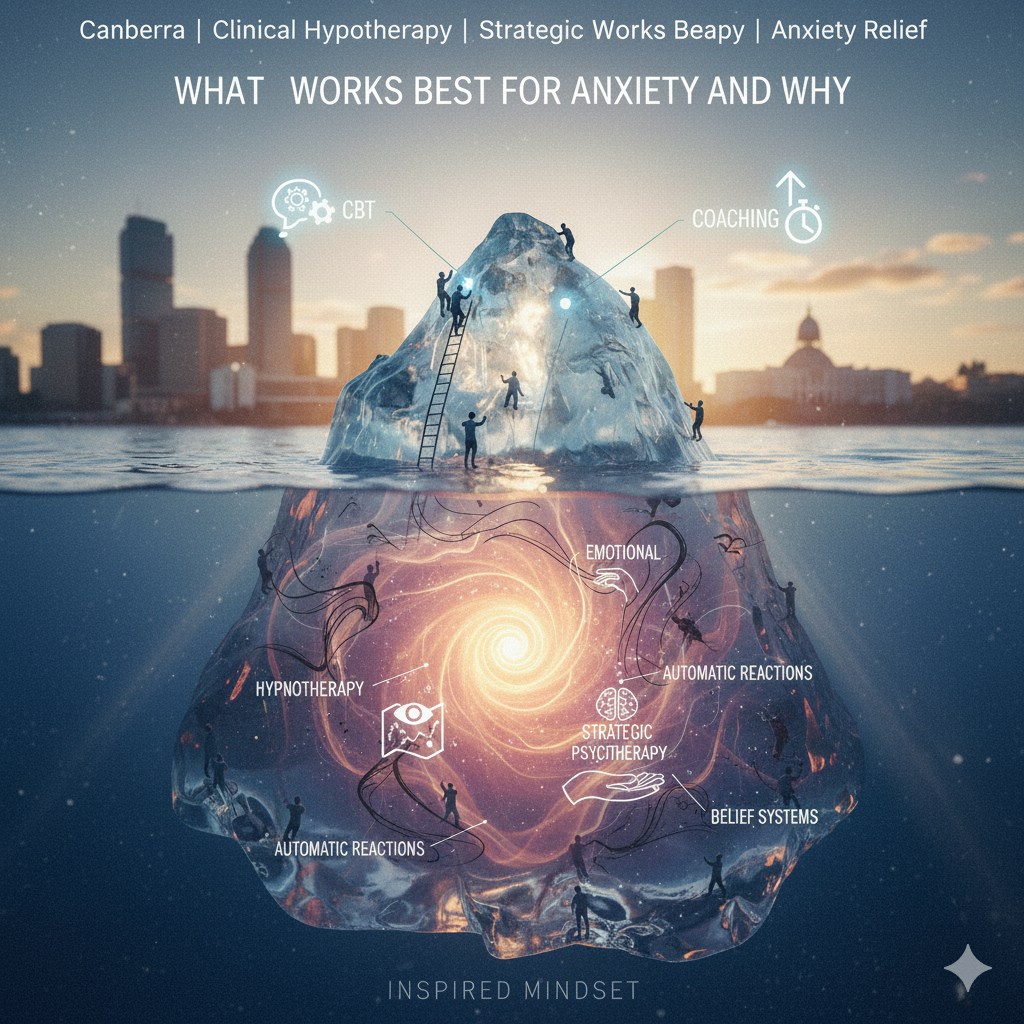
Hypnotherapy is gaining recognition as a powerful tool for breaking free from addiction. It works by accessing the subconscious mind, where automatic responses and deeply rooted behaviours live.
How Hypnotherapy Works
Traditional talk therapy operates at the conscious level. Hypnotherapy goes deeper. It targets the subconscious beliefs and patterns that drive addictive behaviour.

During a hypnotherapy session, you enter a relaxed state. This state allows direct communication with your subconscious mind. The therapist helps you identify and change the root causes of your addiction.
These root causes often include:
- Limiting beliefs about yourself
- Unresolved trauma or pain
- Automatic stress responses
- Deeply ingrained habits
Hypnotherapy combined with integrative psychotherapy creates lasting change. This approach addresses both the symptoms and the underlying causes of addiction.
Benefits of Hypnotherapy for Alcohol & Drug Addiction Treatment
Hypnotherapy offers several advantages for addiction recovery:
- Fast results: Many people notice changes after just one or two sessions. The subconscious mind responds quickly once you access it properly.
- Addresses root causes: Rather than just managing symptoms, hypnotherapy helps you understand and change the deeper patterns driving your drug abuse and addiction. This approach is effective for various substance use disorders.
- Personalised approach: Each session is customised to your specific needs and experiences. Your therapist works with your unique history and goals.
- Builds new patterns: Hypnotherapy doesn't just remove old behaviours. It helps you build healthier automatic responses to stress and triggers.
- Ongoing support: Many hypnotherapists provide recordings of sessions. These act like personalised guided meditations you can use to strengthen your new mindset.
Who Benefits Most
Hypnotherapy works particularly well for people with substance use disorders who:
- Feel stuck in patterns they can't consciously control
- Have tried other methods without lasting success
- Want to understand the deeper reasons behind their addiction
- Are ready to make real change but struggle to take action alone
The therapeutic alliance between client and therapist matters greatly. This relationship is one of the strongest predictors of positive outcomes. Choose a hypnotherapist you feel comfortable with and can trust.
What to Expect
A typical hypnotherapy programme for substance use disorders involves several sessions. The first session usually focuses on assessment and building rapport. Your therapist will want to understand your history, triggers, and goals.
Subsequent sessions dive into the actual hypnotherapy work. You'll remain aware and in control throughout. Hypnosis isn't about losing control. It's about gaining access to parts of your mind you can't normally reach.
Between sessions, you'll practice techniques and listen to recordings. This reinforces the work and helps integrate changes into your daily life.
2. Cognitive Behavioural Therapy (CBT)
Cognitive behavioral therapy is one of the most researched and proven behavioral therapies for substance use disorders, including drug addiction. It focuses on identifying and changing thought patterns that lead to substance use.
How CBT Helps
CBT teaches you to recognise triggers for drug or alcohol use. These triggers might be certain people, places, emotions, or situations. Once you identify them, you learn coping strategies to handle them differently.
The therapy helps you understand the connection between thoughts, feelings, and behaviours. When you change distorted thinking patterns, your emotional responses and actions change too.
CBT also builds problem-solving skills. You learn to handle stress and challenges without turning to substances. This creates a foundation for long-term recovery.
Recent studies show that digital CBT platforms demonstrate 50% better recovery outcomes compared to standard care. These online options make substance abuse treatment more accessible for many Australians.
Key CBT Techniques
- Cognitive restructuring: This involves identifying negative thought patterns and replacing them with more realistic, helpful ones.
- Behavioural activation: You learn to engage in healthy activities that provide natural rewards and satisfaction.
- Relapse prevention: CBT equips you with specific strategies to recognise warning signs and avoid relapse when treating substance use disorders.
- Skill building: The therapy teaches practical coping skills for managing cravings, stress, and difficult emotions.
3. Motivational Interviewing (MI)
Also known as Motivational Enhancement Therapy, MI takes a different approach. It builds your internal motivation to change rather than pushing change from the outside.
The MI Approach
MI recognises that ambivalence about change is normal. You might want to stop using substances but also feel attached to them. This conflict is part of the human experience.

The therapy helps you explore this ambivalence without judgement. Your therapist guides you to discover your own reasons for change. This makes the motivation more powerful and lasting.
MI is particularly effective for people initially resistant to treatment. It meets you where you are rather than demanding immediate commitment to abstinence.
Core Principles
- Partnership: The therapist works with you, not on you. You're the expert on your own life and experiences.
- Acceptance: Your autonomy and perspective are respected. There's no judgement about your current behaviour.
- Compassion: The process centres your wellbeing and best interests.
- Evocation: The therapist draws out your own motivations and strengths rather than imposing external solutions.
4. Acceptance and Commitment Therapy (ACT)
ACT combines acceptance and mindfulness strategies with commitment and behaviour change strategies. Recent studies from 2024-2025 show it achieves higher short-term abstinence rates than standard CBT for substance use disorders.
How ACT Works
Rather than fighting against difficult thoughts and feelings, ACT teaches you to accept them. You learn that uncomfortable emotions are part of life. The goal isn't to eliminate them but to change your relationship with them.
ACT focuses on six core processes:
- Acceptance of difficult internal experiences
- Cognitive defusion (separating from unhelpful thoughts)
- Being present in the moment
- Self as context (observing yourself without harsh judgement)
- Values clarification (identifying what truly matters to you)
- Committed action (taking steps aligned with your values)
Benefits for Addiction Recovery
ACT helps you stop trying to control or avoid uncomfortable feelings through substance use. Instead, you learn to experience them whilst still moving towards your goals.
The therapy emphasises living according to your values. When your actions align with what truly matters to you, recovery becomes more meaningful and sustainable.
5. Contingency Management (CM)
CM is recognised as the gold standard for stimulant addiction. It uses positive reinforcement to encourage healthy behaviours.
The CM System
CM provides tangible rewards when you meet specific treatment goals for substance use disorders like drug abuse. These might include:
- Negative drug tests
- Attending therapy sessions
- Completing homework assignments
- Reaching abstinence milestones
The rewards are typically vouchers or prizes. They're given immediately after the positive behaviour. This timing is crucial because it strengthens the connection between the behaviour and the reward.
Why It Works
Our brains respond powerfully to rewards. Addiction hijacks this natural reward system. CM helps retrain your brain to find reward in healthy behaviours instead of substance use.
The approach is particularly effective because it:
- Provides immediate positive feedback
- Makes progress visible and measurable
- Builds momentum through small successes
- Doesn't rely solely on internal motivation
6. Medication-Assisted Treatment (MAT)
MAT combines behavioural therapy with medications. This integrated approach typically yields the best results for certain types of addiction.
Medications for Different Addictions
- Opioid addiction: Medications like methadone, buprenorphine, and naltrexone help reduce cravings and withdrawal symptoms for opioid use disorder. They allow you to focus on recovery without the constant physical distress.
- Alcohol addiction: Naltrexone, acamprosate, and disulfiram are standard medications. Emerging therapies like GLP-1 agonists are showing promise in recent trials.
- Tobacco addiction: Nicotine replacement therapy, bupropion, and varenicline can significantly improve quit rates.
How MAT Supports Recovery
Medications don't cure addiction. They provide stability whilst you work on the psychological and behavioural aspects of recovery. Think of them as tools that make the recovery process more manageable.
MAT is most effective when combined with counselling and behavioural therapies for substance use disorders. The medications handle the physical aspects whilst therapy addresses the mental and emotional components. This approach requires proper medical care and supervision throughout treatment.
Breaking the Stigma
Some people worry that MAT just replaces one addiction with another. This isn't accurate. Properly prescribed medications are taken under medical supervision. They're part of a comprehensive treatment plan, not a substitute for recovery work.
7. Counselling and Psychotherapy
Counselling helps you identify behaviours and problems related to your addiction. It's a common component of most drug treatment programmes.
Individual Counselling
One-on-one sessions with a mental health professional allow you to work deeply on personal issues. You might explore trauma, family dynamics, co-occurring mental disorders, or relationship problems that contribute to drug use.
Many people with addiction also struggle with mental disorders like depression, anxiety, or PTSD. Accessing comprehensive mental health services alongside addiction treatment is important because these conditions often fuel each other. Treating both simultaneously leads to better outcomes.
The therapeutic alliance — your relationship with your counsellor — is crucial. Research shows it's one of the strongest predictors of positive outcomes when you treat addiction. Choose someone you trust and feel comfortable opening up to.
Group Therapy
Group therapy provides peer support and shared learning. You benefit from others' experiences whilst contributing your own insights. Many people find it reduces feelings of isolation and shame.
Group settings also let you practice new social skills in a safe environment. You learn to connect with others without substances being involved.
Family Therapy
Addiction affects entire families. Family therapy helps heal these relationships whilst building a support system for recovery. Your loved ones learn how to support you effectively without enabling unhealthy behaviours. This approach is valuable across all substance use disorders, including alcohol use disorder and other dependencies addressed in comprehensive treatment programs.
8. Twelve-Step Programmes
Programmes like Alcoholics Anonymous (AA) and Narcotics Anonymous (NA) have helped millions worldwide overcome substance abuse. They're based on the twelve-step philosophy of recovery.
How Twelve-Step Programmes Work
These programmes follow a structured path through twelve steps. The steps guide you from admitting powerlessness over drug dependence to helping others in recovery.
Key elements include:
- Regular meetings with other recovering individuals
- Working through the steps with a sponsor
- Spiritual or higher power focus (though this can be interpreted individually)
- Making amends for past harms
- Ongoing service to others
The Power of Peer Support
Research shows that peer support groups can increase the likelihood of sobriety by roughly 45% when used alongside professional care. The shared experience creates understanding that's hard to find elsewhere. Having a friend or family member involved in your recovery journey can further strengthen your support network.
Twelve-step meetings are free and widely available throughout Australia. This accessibility makes them valuable for long-term recovery support.
9. Holistic and Alternative Therapies
Many rehabs now offer complementary therapies to support traditional treatment. These address overall wellbeing, not just addiction symptoms.
Common Holistic Approaches
- Mindfulness and meditation: These practices help you stay present and manage cravings without acting on them.
- Yoga and exercise: Physical activity reduces stress, improves mood, and provides healthy structure to your day. Regular exercise also supports physical health during recovery.
- Art and music therapy: Creative expression can help you process emotions and experiences that are difficult to put into words.
- Nutritional support: Proper nutrition helps repair physical damage from substance use and supports brain health during recovery.
- Acupuncture: Some people find this helpful for managing substance withdrawal symptoms and cravings.
Integrating Holistic Approaches
Holistic therapies work best as complements to evidence-based treatments, not replacements. They enhance your overall recovery programme by addressing multiple aspects of wellbeing. When substance use disorders are disorder treated through an integrated approach, holistic methods can significantly improve outcomes alongside traditional therapies.
10. Emerging Technologies in Addiction Treatment
The field of addiction treatment continues to evolve. New technologies are showing promising results in supporting recovery from substance use disorders.
Virtual Reality (VR) Therapy
VR therapy allows you to practice coping skills in controlled environments. These simulate real-world triggers without actual risk. You can face challenging situations and build confidence in your ability to handle them. By identifying risk factors in a safe setting, you develop stronger resilience.
Wearable Biosensors
These devices monitor physiological markers like heart rate and skin conductance. They can detect potential emergencies or intense cravings before they lead to relapse. This early warning system lets you or your support team intervene quickly, supporting both mental and physical wellness.
AI-Assisted Support
AI chat companions using motivational interviewing techniques showed a 41.5% boost in patient motivation in early 2025 trials. These tools provide support between therapy sessions when you need quick guidance. They recognise that recovery is an ongoing process requiring continuous support.
Transcranial Magnetic Stimulation (TMS)
TMS is gaining traction for interrupting chronic relapse cycles. It uses magnetic fields to stimulate specific brain regions. This can help rebalance brain circuits affected by addiction, potentially reducing the need for higher doses to achieve the same effect.
Treating Co-Occurring Mental Health Conditions
Many people with addiction also experience mental health conditions like depression, anxiety, or trauma. Treating these conditions alongside addiction improves outcomes by over 65%.
The Connection
Sometimes mental health issues lead to substance use as a form of self-medication. Other times, substance use triggers or worsens mental health problems. Often, both conditions influence each other.
Integrated Treatment
Effective treatment addresses both issues simultaneously. This might mean:
- Working with therapists trained in both addiction and mental health
- Using medications that address both conditions
- Developing coping skills for managing both sets of symptoms
- Understanding how your mental health and substance use interact
Don't try to tackle these issues separately. Integrated care recognises that your whole wellbeing matters, not just one symptom or diagnosis.
Finding the Right & Most Effective Treatment for You
With so many options available, choosing can feel overwhelming. Here's how to find what works for you:
Consider Your Specific Situation
- Type of addiction: Some treatments work better for specific substances. Opioid addiction often benefits from medication-assisted treatment. Stimulant addiction responds well to contingency management.
- Stage of recovery: Are you just starting out? Working through early recovery? Focused on relapse prevention? Different stages need different approaches.
- Co-occurring conditions: If you have mental health issues alongside addiction, prioritise integrated treatment.
- Personal preferences: What feels right to you matters. Some people connect with spiritual approaches. Others prefer strictly evidence-based methods. Trust your instincts about what might work for you.
Assess Practical Factors
- Location: Can you access in-person treatment, or do you need online options? Both can be effective.
- Cost and insurance: Some Australian health insurance providers cover addiction treatment. Check what's available to you.
- Time commitment: Some programmes require residential stays. Others offer outpatient options that fit around work and family.
- Support system: Do you have family or friends who can support your recovery? Their involvement can make a significant difference.
Don't Wait for the Perfect Solution
The best treatment is the one you'll actually start. Waiting for perfect conditions rarely works. Take the first step with whatever option feels most accessible right now. You can always adjust your approach as you go.
The Importance of Ongoing Support
Recovery doesn't end when formal treatment finishes. Ongoing support is crucial for maintaining sobriety and preventing relapse.
Build Your Support Network
This might include:
- Regular therapy or counselling sessions
- Twelve-step or other peer support meetings
- Family members who understand your recovery
- Friends in recovery who understand your journey
- Online communities focused on sobriety
Develop a Relapse Prevention Plan
Work with your treatment team to create a plan that includes:
- Your personal warning signs that relapse might be approaching
- Specific strategies for managing high-risk situations
- Contact information for people who can help in a crisis
- Healthy activities and coping mechanisms you can use instead of substances
Practice Self-Compassion
Recovery from substance use disorders is a journey with ups and downs. If relapse happens, it doesn't mean you've failed. It means you need to adjust your approach. Be kind to yourself. Learn from setbacks rather than letting them define you.
Moving Forward From Substance Use Disorders With Inspired Mindset
Addiction is a treatable condition. With proper treatment and support, you can achieve sobriety and lead a fulfilling life in recovery.
The journey starts with a single step. Whether that's calling a hypnotherapist, attending your first support group meeting, or scheduling an assessment with an addiction specialist, what matters is starting.
You don't have to figure everything out alone. Professional guidance can help you navigate the treatment options for substance use disorders and find what works best for your unique situation. Recovery is possible, and support is available.
If you're considering hypnotherapy to address the root causes of your addiction, Inspired Mindset here to help. Our integrative approach combines clinical hypnotherapy with psychotherapy to create lasting change at the subconscious level. Book a complimentary consultation to discuss your goals and discover how hypnotherapy can support your journey to a happier, healthier life.
Wherever you are in Australia, we can support your recovery. We're based in Canberra and welcome clients for in-person sessions at our practice. For those located elsewhere, we offer
online hypnotherapy sessions that are just as effective as face-to-face appointments, giving you access to expert support from the comfort of your own home.