
Understanding Hypnosis
Are you searching for therapy to bring about a positive transformation in your life? Hypnosis could be just the perfect answer. This centuries-old technique, which has been seen as beneficial for both physical and mental health issues like anxiety disorders and pain management, will be discussed extensively within this guidebook. Here we aim to decipher common misapprehensions related to hypnotherapy.
Short Summary
- Hypnosis is an effective therapeutic technique with a range of physical and mental health benefits.
- Hypnotherapy can be used to address anxiety, depression, phobias and fears, as well as pain management, weight loss and sleep improvement.
- Ensure safety by researching credentials & reviews before selecting a qualified hypnotherapist for the best possible outcome.
What is Hypnosis?
Hypnotherapy has been used for centuries to manage anxiety and other mental health issues. It involves deep relaxation as well as focused attention, enabling the individual to make positive changes in their life, such as reducing generalised anxiety disorders stress levels or improving sleep patterns over a range of disorders.
The science behind hypnosis
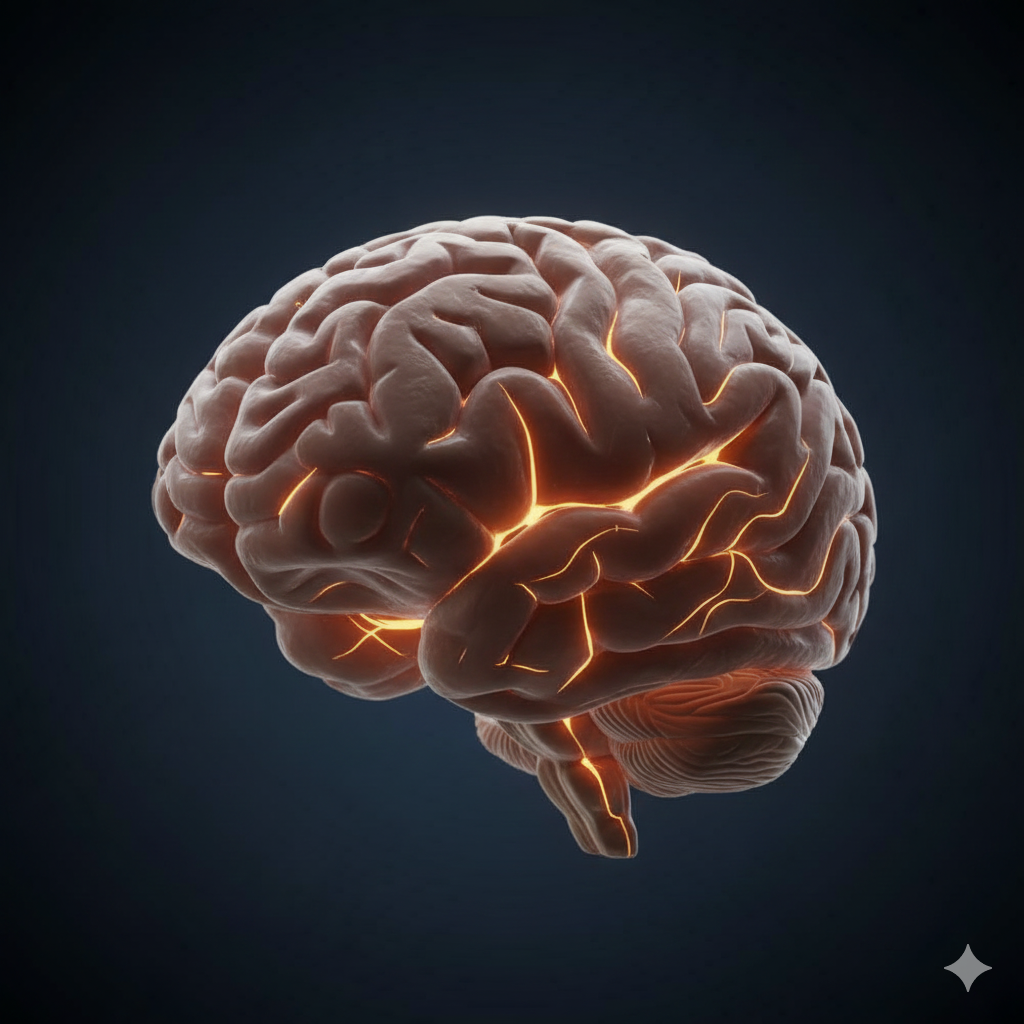
Hypnosis has gained a lot of popularity as an alternative therapy for various mental health issues, including anxiety and stress. Research indicates that this form of treatment modifies the brain's electrical activity when measured via EEG scans. It appears to activate its "default mode network" responsible for imaginative thinking, which makes people more open to suggestions. Hypnosis may be helpful in addressing physical conditions like pain management or aiding weight loss and healthy eating habits. With such a wide range of possibilities for improving mental and physical well-being through hypnotherapy treatments, it is no surprise why so many people are turning towards these therapies today!
Common misconceptions about hypnosis
Hypnosis has been proven to be effective in many cases, yet it is still often misunderstood. People mistakenly think that the hypnotic state can lead to mind control or "trapping". Hypnosis actually allows an individual access to their subconscious mind and helps them make positive changes. It's important not to view it as a form of control since no lasting effects exist. Once they're out of this focused concentration, individuals cannot remain indefinitely in such a condition.
To help destigmatise the concept and encourage more people to try these potential benefits, we should acknowledge how false myths about hypnosis have distorted its public perception.
Types of Hypnosis
Hypnosis has three key forms, each with its own distinct approach and techniques. These are traditional hypnosis, Ericksonian hypnosis, and self-hypnosis, all offering individuals a unique way to benefit from this robust personal development and change tool.
Traditional hypnotherapy employs the services of an experienced hypnotist who will guide participants into deep relaxation before using suggestions to achieve certain objectives or goals. On the other hand, modern-day Ericksonian Hypnotherapy relies on indirect strategies by combining specific language patterns instead of direct suggestions when guiding someone through trance states to be able to make lasting changes within themselves that they seek out.
Traditional hypnosis
To ensure a beneficial and secure experience, it is essential to find the help of an accredited hypnotherapist. Franz Mesmer developed traditional hypnosis in the 18th century. It employs suggestions that induce a state of relaxation while allowing individuals to improve their habits and mental and physical health.
An individual may be aided with reducing anxiety or stress using this approach. Still, one must stay aware that emotions could become strained during such sessions or feeling disoriented might occur. To enjoy positive effects on well-being from traditional hypnosis should not be underestimated, though!
Ericksonian hypnosis
Milton Erickson created his own indirect method of hypnosis, known as 'Ericksonian Hypnosis', in the 1950s. This approach to traditional hypnotism employs metaphors and stories along with techniques such as allowing resistance, implanting ideas through conversation and emphasising positive aspects while implementing a confusion technique, all aiming to induce trance-like states within individuals seeking personal improvement from this practice.
Milton Erickson's theories see Ericksonian Hypnotism as offering an opportunity for tapping into one's unconscious mind while benefitting from its resources immensely - making it valuable for those seeking out self-growth or becoming more enlightened mentally/spiritually.
Self-hypnosis
Self-hypnosis is a kind of hypnotherapy done by the individual in which visualisations and suggestions are used to induce an altered state. This natural trance can be employed for altering emotions, attitudes or behaviours without requiring help from any professional hypnotist.
The best way to use self-hypnosis would be to find a quiet area where you could sit/lie down comfortably, pay attention to your breathing while picturing some tranquil scene, and ultimately offer yourself positive affirmations as well as visuals so that greater relaxation levels could be attained enabling one successfully address their issues plus objectives.
It should not replace medical or psychological care expertly given out by professionals. The vital thing to bear in mind!
Hypnosis for Mental Health
When it comes to dealing with mental health issues, such as anxiety and depression or the fear of something particular, hypnosis can be an effective tool. By tapping into one's subconscious mind and altering problematic thought patterns, this approach has been found to help people regain their sense of well-being.
In this article, we will look at how hypnotherapy is used for alleviating stress levels and treating things like depression while also addressing phobias that may have had a damaging effect on someone's life.
Anxiety and stress relief
In today's world, navigating a busy city centre can cause anxiety, which is natural for everyone. In some cases, this emotion becomes persistent and disproportionate to the situation. Leading to panic attacks or other anxiety symptoms that impact life negatively. Such intense levels could indicate social anxiety disorder or an underlying panic disorder, both requiring mental health treatment.
Hypnosis is known as one method used in relieving stress associated with ailments like physical symptoms, including nausea and hot flashes, due to its efficacy when teaching relaxation methods and confronting causes at their root level where needed. By doing so under the professional guidance of certified hypnotherapists, managing these apprehensions becomes possible, helping yield considerable improvements mentally while regaining control over your daily activities effectively without feeling overwhelmed by dread and fears again.
The effects are calming on the body systems allowing individuals faced with those disorders to restore balance in all areas of their lives through more consistent positive reactions even towards potentially threatening situations.
Depression treatment
Depression is an overwhelming condition that can heavily affect everyday life. As a complementary treatment, hypnosis helps individuals develop effective strategies and coping mechanisms to manage their mental health with the guidance of professionals. Working alongside qualified therapists and other treatments such as medication allows people to make positive adjustments to improve overall well-being from depression. Remembering this when utilising hypnotherapy approaches as part of one's recovery journey is essential.
Overcoming phobias and fears
Hypnotherapy can be an effective way to help individuals manage their phobias and fears, leading to a greater sense of mental well-being in daily life. Desensitisation is the process used for this technique, which exposes those affected gradually while they are relaxed under hypnosis. This approach assists them by decreasing sensitivity towards particular objects or experiences that cause fear or distress without triggering feelings of overwhelming panic or anxiety. Through working with qualified professionals, people can conquer these fears, thus improving their emotional state and how it affects everyday living circumstances.
Hypnosis for Physical Health
Hypnosis has been seen to be very beneficial for mental health, but also for addressing a range of physical issues such as pain management, weight loss and better sleep. Accessing the subconscious mind can help modify unhelpful thoughts and behaviours that could impact someone's well-being. In this section, we will examine hypnotherapy's potential use in reducing specific medical concerns, including tackling chronic pain and healthy eating habits, which may lead to slimming down and improving sleeping patterns.
Pain management
Hypnotherapy gives individuals the skills to decrease pain perception and relax more deeply. It has been shown that using hypnosis helps reduce the level of discomfort, disability, and anxiety related to acute or chronic issues like cancer, rheumatoid arthritis, burn wounds and nerve/musculoskeletal problems.
By working together with a qualified therapist in this field, people can learn how better manage their condition so they can improve their quality of life significantly. The techniques involve guided imagery, shifting the focus away from painful sensations.
Weight loss and healthy eating
Weight loss and healthier eating can be aided through hypnotherapy, which works to change existing patterns related to emotional consumption. It helps curb cravings while encouraging a greater willingness to exercise as well. It guides individuals into increasing awareness of their dietary habits and cultivating better ones over time.
Using hypnosis alongside regular physical activity and healthy meal plans can help people reach desired weight reduction goals - though there is no one-size-fits-all answer here. This process may look different from person to person regarding how many sessions are necessary for successful results.
Sleep improvement
The overall quality of life can be improved by managing sleep through hypnosis. Hypnotherapy has been proven to assist with several sleep-related issues, such as insomnia and apnea, to snoring. This technique is known for reducing the time it takes individuals to fall asleep while also helping them get more out of their restful hours due to increased profound sleeping stages. Techniques that may be taught include guided imagery methods, progressive muscle relaxation exercises and good breathing habits during hypnotic sessions, which aid in bettering one's sleep status.
Finding a Qualified Hypnotherapist
Choosing a qualified hypnotherapist for personal development and progress is vital, which requires researching their qualifications, looking through customer reviews, and having an initial consultation. Here we will emphasise the importance of doing those things to locate someone who can accurately fulfil your requirements.
In conducting this research process, you should carefully study credentials and read what previous clients have experienced when working with them before ultimately deciding if they are the right fit based on your conversation during a face-to-face meeting or call.
Credentials and certifications
When picking a hypnotherapist, credentials and certifications are essential factors to be considered to guarantee they possess the necessary training and aptitude. To become an expert in this field, one must obtain a diploma-level accreditation from the government. When selecting your Hypnotherapist, it's crucial that their qualifications can be checked so there's assurance around their skillset, providing comfort and reliability during sessions with them which will help reach desired goals faster!
Summary
Hypnosis has been demonstrated to be an incredibly effective way of initiating positive change in both mental and physical aspects. Hypnotherapy can relieve anxiety, improve sleeping patterns, and augment your quality of life when conducted by a professional practitioner. It is essential to debunk misconceptions about hypnosis and the different types explored before beginning any therapeutic process. With this knowledge, you will have the confidence to take advantage of these remarkable tools available at your disposal for reaching personal objectives – giving yourself better peace-of-mind and overall well-being through increased awareness about what hypnotic suggestions entail!
📱💻 Whether you prefer face-to-face appointments in Canberra or the convenience of online hypnotherapy sessions, we're here to guide you on your journey towards success.
Acton, Ainslie, Amaroo, Aranda, Banks, Barton
Beard, Belconnen, Bonner, Bonython, Braddon, Bruce, Calwell, Campbell, Casey, Chapman, Charnwood, Chifley, Chisholm, Conder, Cook, Coombs, Crace, Curtin, Deakin, Denman Prospect, Dickson, Downer, Duffy, Dunlop, Evatt, Fadden, Farrer, Fisher, Florey, Flynn, Forde, Forrest, Franklin, Fraser, Garran, Gilmore, Giralang, Gordon, Gowrie, Greenway, Griffith, Gungahlin, Hackett, Hall, Harman, Harrison, Hawker, Higgins, Holder
Holt, Hughes, Hume, Isaacs, Isabella Plains, Jacka, Kaleen, Kambah, Kenny, Kingston, Latham, Lawson, Lyneham, Lyons, Macarthur, Macgregor, Macquarie, Mawson, McKellar, Melba, Mitchell, Monash, Moncrieff, Narrabundah, Ngunnawal Nicholls, O'Connor Malley, Oxley, Page, Palmerston, Parkes, Pearce, Phillip, Pialligo, Red Hill, Reid, Richardson, Rivett, Russell, Scullin, Spence, Stirling, Swinger Hill, Symonston, Taylor, Tharwa, Theodore, Torrens, Turner, Wanniassa, Waramanga, Watson Weetangera, Weston, Weston Creek, Wright, Yarralumla.