
What Does Cocaine Do to You?
Cocaine is one of the most widely misused drugs in the world, yet many people still do not fully understand its effects on the body and mind. If you have ever asked yourself, “what does cocaine do to you?” the answer goes far beyond a short-lived high
From intense bursts of energy and euphoria to serious physical and mental health risks, cocaine is a serious stimulant that can affect nearly every part of a person’s life. Whether you are searching for answers for yourself or someone you care about, we break down the facts clearly and honestly in this blog post.
What Is Cocaine?
Cocaine is a powerful stimulant drug derived from the coca plant, native to South America. It is illegal in Australia without authorisation and classified as a Schedule 8 controlled substance. On the street, it goes by several names, including coke, blow, and nose candy.
It comes in three main forms:
- Cocaine hydrochloride is a white powder. It is typically snorted, but can also be injected or rubbed into the gums, where it produces a numbing taste.
- Freebase cocaine is also a white powder but chemically different. It is usually smoked.
- Crack cocaine is processed cocaine that forms larger, rock-like crystals. It is also smoked, sometimes alongside tobacco.
Each form is dangerous, and no method of use is considered safe.
How Cocaine Affects the Brain
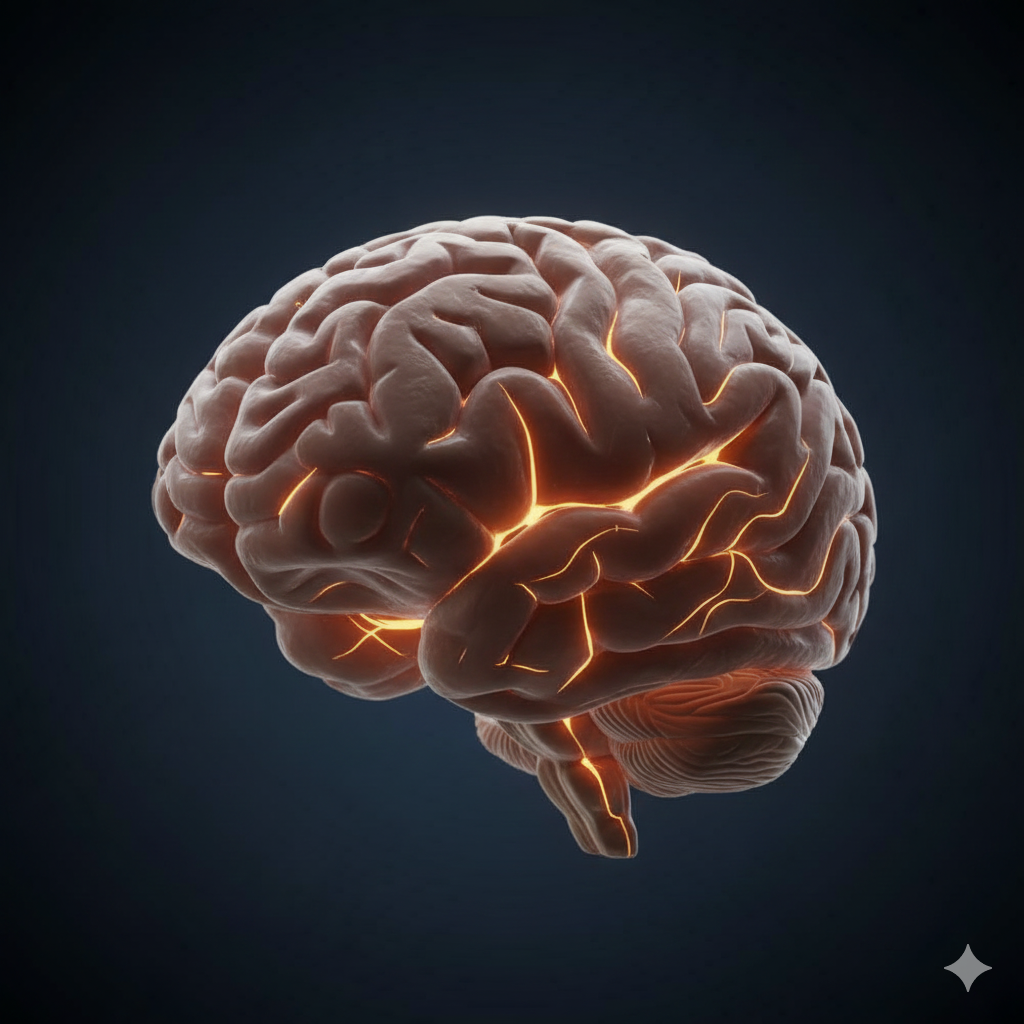
The effects of cocaine on the brain begin almost immediately after use. Cocaine works by flooding the brain with dopamine. Dopamine is the chemical the brain uses to feel pleasure and process reward. Cocaine forces it to release in large amounts, then blocks it from being reabsorbed. The result is an intense but short-lived rush.
Over time, the brain stops producing dopamine at normal levels. It begins to rely on the drug to feel anything at all. This is what makes cocaine use so powerfully addictive. Even people who use it occasionally can find themselves drawn back to it, chasing that initial feeling.
Short-Term Effects of Cocaine Use
The short-term effects of cocaine come on quickly and typically last only a few minutes to an hour. Smoked forms like crack cocaine act even faster. The experience varies depending on the dose, the purity of the substance, and how it is taken. Cocaine hydrochloride, for example, reaches the bloodstream within minutes when snorted. A strong batch can produce unpredictable effects, even in someone who has used before.
Common short-term effects include:
- Intense euphoria and a surge of energy
- Heightened alertness and confidence
- Reduced appetite
- Nausea
- Raised body temperature
- Irritability and restlessness
- Paranoia, unusual thoughts, and risk-taking behaviour
- Increased sexual risk-taking behaviour
The physical effects of cocaine use are just as significant. It causes a rapid increase in heart rate, a spike in blood pressure, and tightening of the blood vessels. These changes place serious strain on the cardiovascular system. In some cases, the immediate effects can include severe chest pain, seizures, and difficulty breathing. A life-threatening reaction can occur even on a first use.
The Crash
When the drug wears off, the body does not ease back to normal. Users experience what is commonly called a "crash." This is a sudden drop into exhaustion, depression, and intense cravings. The body needs rest, but the cravings often make that impossible.
The crash is one of the key reasons cocaine use becomes repetitive. Each use depletes the brain's dopamine stores further. The lows get lower. The need to use again grows stronger. This cycle is at the heart of cocaine dependence.
Long-Term Effects on the Body and Mind
The long-term effects of cocaine are wide-ranging and serious. Long term cocaine use causes damage that builds up across nearly every system in the body. Chronic drug abuse of this kind creates complications that can persist long after long term cocaine exposure has ended.
Brain and Mental Health
Long-term use leads to significant cognitive impairments. This includes problems with attention, memory, and decision-making. The brain becomes increasingly sensitive to stress and less capable of experiencing everyday pleasure. Many long-term users develop severe anxiety, paranoia, and emotional instability that can persist even after they stop using.
In some cases, heavy or prolonged use can trigger cocaine psychosis. This is a serious condition involving psychosis symptoms such as hallucinations, severe paranoia, and disturbed thinking. It can occur even in people with no prior history of mental illness.
Heart and Blood Vessels
Sustained cardiovascular strain raises the risk of heart problems, including heart disease, heart attack, stroke, and aortic rupture. These are not rare outcomes. They are documented consequences of long-term cocaine use.
Weight and Nutrition
Cocaine suppresses appetite. Chronic users often forget to eat or simply do not feel hungry. This can lead to serious malnourishment and extreme weight loss over time.
Crack Cocaine & Respiratory Health
Smoking crack cocaine can cause a severe lung condition known as "crack lung," characterised by chest pain, difficulty breathing, and acute lung inflammation.
Nasal Damage
Snorting cocaine repeatedly damages the nose and the surrounding nasal passages. This causes chronic nosebleeds, loss of smell, and in severe cases, perforation of the nasal septum.
Infectious Disease
Injecting cocaine carries additional risks, particularly when needles are shared. This significantly increases the chance of contracting HIV and hepatitis.
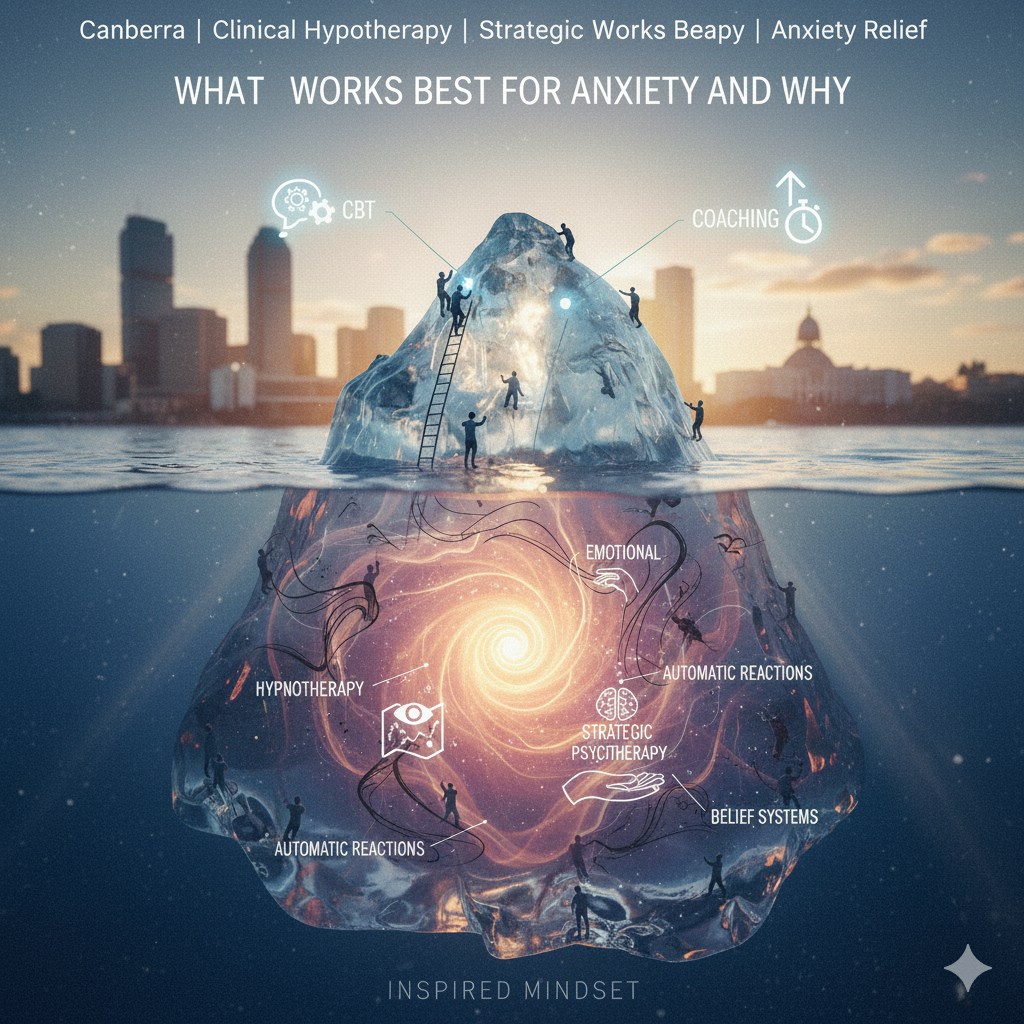
For people caught in a cycle of substance use, hypnotherapy for addiction offers a way to address the deep-rooted patterns driving that behaviour. Working at the subconscious level, it can help shift the automatic responses that keep someone stuck.
Cocaine Overdose Risk
Cocaine use at any level carries the risk of a fatal overdose. It does not matter whether someone is a first-time user or a long-term one. Symptoms of overdose include convulsions, irregular heartbeat, brain haemorrhage, cardiac arrest, and death. Crack cocaine, in particular, delivers such a rapid hit that it can push the cardiovascular system past its limits very quickly.
There is an additional danger that has grown significantly in recent years. Cocaine is increasingly being mixed with fentanyl and other substances. Fentanyl is a synthetic opioid that is many times more potent. Combining cocaine with alcohol or other drugs puts users at higher risk of a fatal reaction. Users often have no idea what is present. Even a trace amount of fentanyl can be fatal.
Research suggests that approximately 15% of cocaine users may develop an addiction within 10 years of first use. That figure may sound moderate, but it does not account for the serious harm that can occur long before dependence develops.
Cocaine Addiction and Withdrawal
Cocaine Addiction
Cocaine addiction can develop faster than many people expect. Once someone becomes addicted, the brain adapts to the drug, and stopping becomes increasingly difficult. Some people who become addicted also rely on other drugs alongside cocaine, which can complicate recovery further.
Withdrawal Symptoms
Cocaine withdrawal symptoms can be intense and difficult to manage alone. They include:
- Intense cravings
- Deep fatigue and low energy
- Increased appetite
- Depression and emotional flatness
These symptoms are not just uncomfortable. They can last for weeks or even months after use stops. The mental health impact is often the hardest part of recovery. Anxiety, depression, and difficulty concentrating can linger well beyond the physical detox phase.
Addiction also affects family members and loved ones, not just the person using. Recovery is possible, but it rarely happens alone. Support is not a sign of weakness. It is the most practical step someone can take. For those in the ACT region, hypnotherapy in Canberra is one avenue that many people find helpful as part of a broader recovery journey.
Getting Help
Getting off cocaine is genuinely challenging. Speaking to a doctor or healthcare professional is an important first step for managing withdrawal safely and exploring your options.
Treatment for cocaine use disorder often includes cognitive behavioural therapy (CBT). For example, CBT helps people identify and change the thought patterns that drive substance use. Community-based support programs are also a valuable part of many people's recovery. Organisations like the Alcohol and Drug Foundation and similar drug foundation services can provide information, referrals, and local support resources.
Complementary approaches such as hypnotherapy and psychotherapy can work alongside medical treatment. They help address the emotional triggers, subconscious habits, and underlying beliefs that keep someone caught in a cycle of use.
A Supportive Place to Start
At Inspired Mindset, Craig Allen combines clinical training with personal lived experience of addiction. He understands the pull of substance dependence in a way that goes beyond theory. His approach brings together hypnotherapy and integrative psychotherapy to help people break free in a genuine way, not just manage symptoms.
If cocaine use is affecting your life, or the life of someone you care about, Inspired Mindset offers support for addiction, anxiety, and the mental health challenges that often come alongside it. Our services are available in person in Canberra and online for those interstate.
There is no judgment here. Just practical, experience-led support for people who are ready to make a change.
Change starts with the choice you make now. Get in touch with Inspired Mindset to book a free consultation and find out how we can help.