
Hypnosis for Anxiety: A Comprehensive Guide
Discover how the natural healing powers of hypnosis can help you take control of Anxiety. This in-depth guide covers everything you need to know about using hypnosis to reduce anxiety symptoms and restore peace of mind. Treat Anxiety naturally with hypnosis. This comprehensive guide covers how hypnosis works, its safety and benefits, and tips for using it to manage anxiety. Hypnosis is a proven therapeutic technique that can help you manage and overcome Anxiety without drugs. Here's what you need to know about harnessing the healing potential of hypnosis for anxiety relief.
What is Hypnosis Exactly?
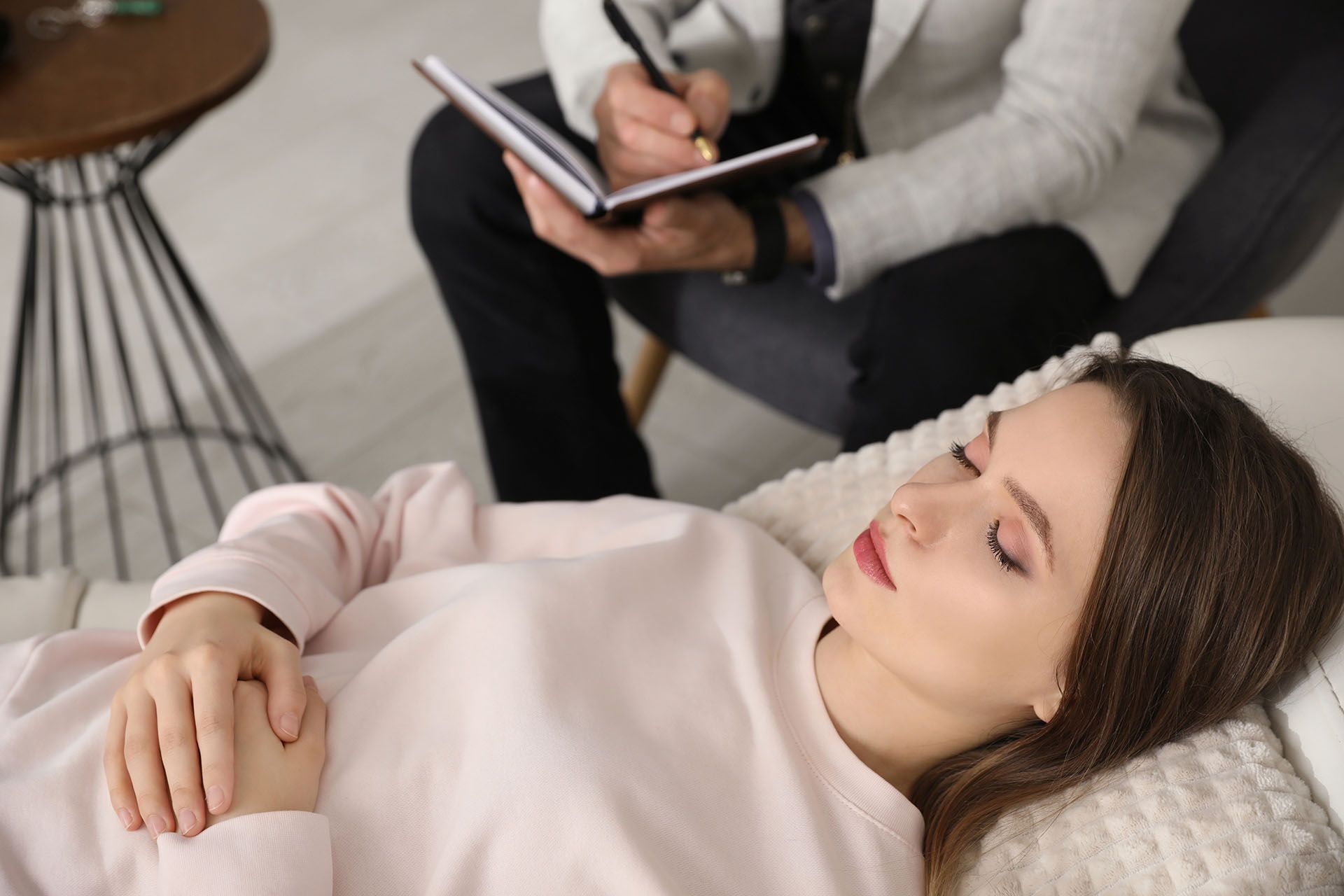
Hypnosis is a natural state of focused concentration and increased suggestibility achieved through relaxation techniques. It's similar to the absorbed state you experience when engrossed in a book or movie.
A hypnotist or hypnotherapist guides you into this absorbed, focused state and provides guidance and positive suggestions to help produce desired changes. The hypnosis state is scientifically proven to enhance and harness the power of your subconscious mind.
The Mechanics of Hypnosis in Alleviating Anxiety
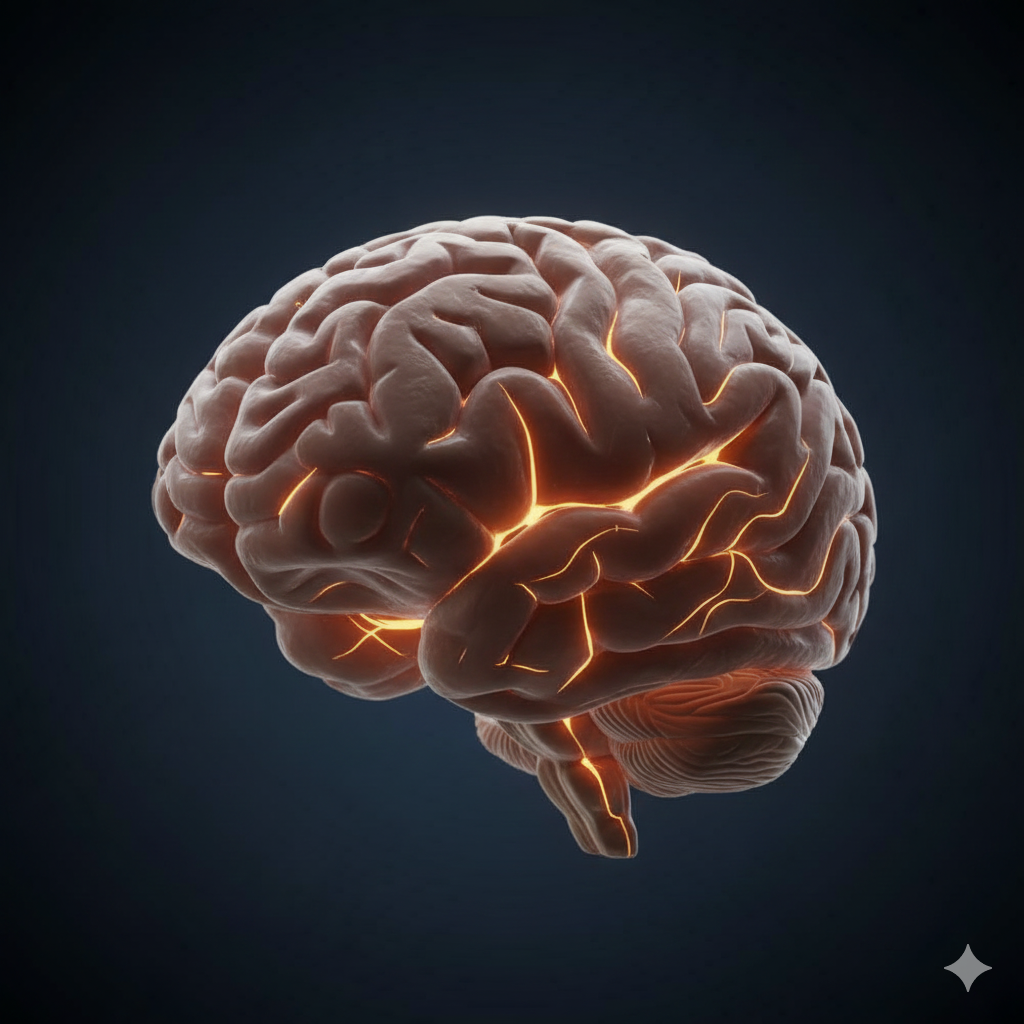
When hypnotised, you experience heightened focus and concentration, allowing the hypnotherapist access to your subconscious mind. This access is crucial because the subconscious mind plays a significant role in shaping our emotions and behaviours.
The Role of the Subconscious Mind in Anxiety
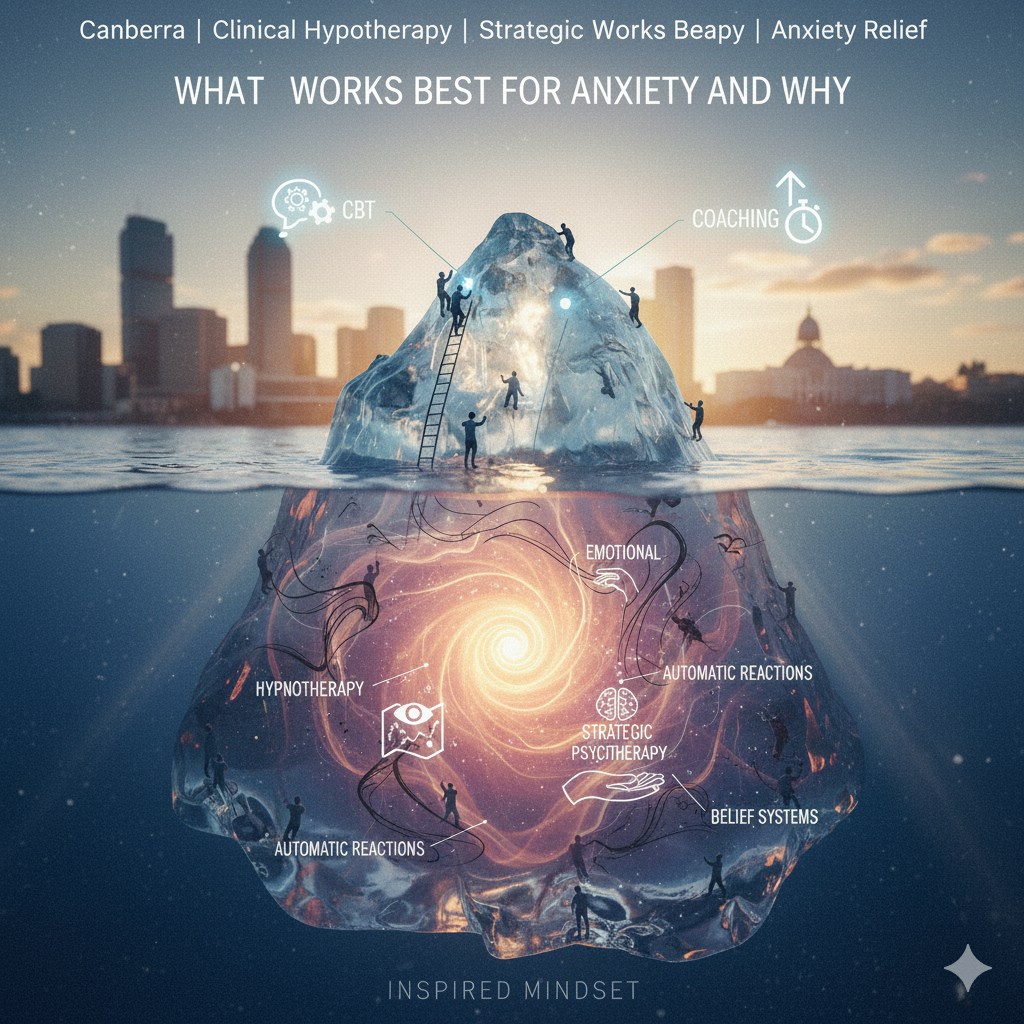
The subconscious mind is like an archive that stores memories, past experiences, and deeply ingrained beliefs. It operates below the level of conscious awareness and influences much of our automatic thoughts and reactions. In the case of Anxiety, the subconscious mind can perpetuate negative thought patterns and behaviours that contribute to anxious feelings. These include irrational fears, limiting beliefs about one's abilities, or pessimistic predictions about the future. These patterns are often so deeply rooted in the subconscious that individuals may not be fully aware of them, yet they continue to influence emotional responses and behaviours.
How Hypnosis Reaches the Subconscious Mind
Hypnosis bypasses the critical, analytical conscious mind to engage with the subconscious directly. In a hypnotic state, the mind becomes more open and suggestible. This openness allows a hypnotherapist to introduce new, more positive thoughts and suggestions, which can then be absorbed into the subconscious. This process helps to reframe and challenge those ingrained negative patterns, effectively rewiring the brain's automatic response to anxiety triggers.
Reprogramming the Mind for Anxiety Relief
Hypnosis can help 'reprogram' the subconscious mind through targeted suggestions and guided imagery. For instance, where there once was a belief that a particular situation was threatening and anxiety-inducing, hypnosis can help implant a sense of calm and control over that same situation. This shift doesn't just change the thought pattern; it also can lead to a reduction in physical symptoms of Anxiety, such as rapid heartbeat or sweating, as the body starts to react differently to previously triggering scenarios.
Is Hypnosis Safe and Effective?
Hypnosis is completely safe and effective when practised by a qualified, certified hypnotherapist. You remain fully aware and in control during hypnosis and can exit it at any time. Hypnosis guides you into a state of relaxed concentration and focused learning from the hypnotherapist.
Studies show hypnosis can be highly effective for Anxiety, with over 80% of people seeing significant symptom reduction. One meta-analysis found it as effective as cognitive behavioural therapy (CBT) for treating anxiety disorders.
We combine our hypnotherapy with cognitive-behavioral therapy (CBT) at Inspired Mindset.
What Are the Benefits of Hypnosis for Anxiety?
Hypnosis can provide rapid, lasting anxiety relief by helping you:
- Reduce overall anxiety levels
- Lessen the frequency and intensity of anxiety and panic attacks
- Improve confidence, self-esteem and outlook
- Release fears or phobias
- Change negative thought patterns
- Promote relaxation and manage stress
- Improve sleep quality
- Learn self-hypnosis tools to manage anxiety long-term
Types of Hypnosis Used for Anxiety Treatment
There are several recognised hypnosis techniques your hypnotherapist may employ depending on your anxiety profile:
**Suggestion Hypnosis** - Uses therapeutic positive suggestions to directly reframe the thoughts, emotions and habits around your anxiety triggers. This can rapidly reduce anxiety response.
**Analytical Hypnosis** - Explores the subconscious roots of your Anxiety to identify and reframe negative past experiences, thoughts or patterns. This provides deep emotional healing.
**Child Hypnosis** - Uses imagination, metaphor and visualisation to appeal to your inner child. Positive shifts in perspective can rapidly occur.
**Self-Hypnosis** - Teaches you self-hypnosis techniques to practice anxiety management daily. Enhances confidence and self-efficacy.
Tips for Finding a Qualified Anxiety Hypnotherapist
Look for an experienced Hypnotherapist certified by the International Strategic Psychotherapist Assocation when seeking treatment.
Key tips:
- Confirm they are appropriately certified in hypnotherapy
- Ask about their specific training in using hypnosis for anxiety disorders
- Ask how long they've treated anxiety patients and typical results
- Consider a free consultation to ensure a good fit
I am confident I can help you achieve lasting freedom from Anxiety. [Schedule a free 15-minute consultation to discuss your anxiety goals today.]
Now let's dive into details on preparing for hypnosis sessions and what to expect during treatment for Anxiety.
How to Prepare for Your First Hypnosis Session
Proper preparation sets you up for faster success with hypnosis:
**Avoid Big Meals Beforehand** - A full stomach can make relaxation more difficult. Eat lightly 2-3 hours beforehand.
**Limit caffeine** - Too much caffeine can inhibit mental relaxation. Minimise coffee, tea and soft drinks on session days.
**Wear Comfortable, Loose Clothes** - Tight clothes can distract you from mentally focusing. Opt for loose, comfy clothes.
**Have an Open, Positive Mindset** - Believing in and expecting positive change will enhance your responsiveness. Scepticism can dampen results.
**Discuss Any Concerns** - Be open with your hypnotherapist about any aspects of hypnosis that make you nervous so they can be addressed.
What to Expect During Your Hypnosis Sessions
An outline of the structure your hypnotherapist will use during your hypnosis session:
**Induction** - You'll practice breathing and relaxation techniques to settle into a focused, hypnotic state. This typically takes 5-10 minutes.
**Deepening** - More relaxation and concentration exercises deepen the hypnotic state and detach you from external stimuli.
**Therapeutic Suggestions** - The hypnotherapist will provide individualised, positive verbal suggestions to reframe anxiety triggers and implant empowering perspectives.
**Self-Hypnosis Techniques** - If using self-hypnosis, you'll be guided to practice techniques for anxiety management at home.
**Conclusion** - You'll be gradually guided back to your normal waking state and offered water or snacks as needed.
You are fully aware throughout the process and can communicate if any issues arise. Sessions range from 60-90 minutes based on your needs.
Common Myths and Misconceptions About Hypnosis
Despite being a medically recognised therapy, hypnosis still carries misconceptions. Here's the truth behind some common hypnosis myths:
**Myth: Hypnosis is the same as sleep.**
**Fact:** You remain fully aware and can communicate during hypnosis. Your mind reaches a state of relaxed, focused concentration without sleeping.
**Myth: The hypnotist controls your mind.**
**Fact:** You have complete control during hypnosis and can exit anytime. The hypnotist guides you but cannot make you do anything you don't want to do.
**Myth: Hypnosis is fake or mere magic tricks.**
**Fact:** Hypnosis is a scientifically verified therapeutic technique that changes your subconscious mind.
**Myth: You can get stuck in a hypnotic state.**
**Fact:** You will gradually return to a normal, waking state after a session completes, just like waking from a nap.
**Myth: Only weak-minded people can be hypnotised.**
**Fact:** Anyone with normal cognitive function can experience hypnosis. In fact, being open-minded and willing may enhance responsiveness.
Hypnosis for Anxiety: Success Stories and Examples
Wondering if hypnosis can help relieve your Anxiety? Here are some examples of real people who found lasting anxiety freedom through hypnotherapy:
**Maria's Story**
Maria struggled with multiple daily panic attacks, heart palpitations and agoraphobia until starting hypnosis. After six sessions, her daily panic attacks reduced by over 80%, and her confidence to leave home soared. Eighteen months later, she remains primarily anxiety-free.
**Jeff's Story**
Jeff had severe performance anxiety presenting at work meetings. His hands would sweat, face turn red, and mind go blank. Four sessions using hypnotic self-confidence building allowed him to lead meetings with poise. He was promoted within two months.
**Sarah's Story**
Sarah's social Anxiety had gradually isolated her from friends. She wanted techniques to manage Anxiety anywhere. Learning self-hypnosis gave her tools to calm herself in triggering social situations. Within three months, her social life improved dramatically.
These examples demonstrate the power of hypnosis to rewire thought patterns and automatic anxiety responses. Your hypnotherapist can share many more examples of how hypnosis helped actual anxiety sufferers.
Tips for Using Self-Hypnosis to Manage Anxiety
Your hypnotherapist can teach you self-hypnosis techniques to manage Anxiety on your own. Here are some tips for making self-hypnosis effective:
- **Practice Daily** - Plan 15-30 minutes of self-hypnosis sessions to build it as a habit. Consistency drives results.
- **Record Sessions** - Recording your customised hypnosis scripts allows you to listen back regularly. Apps like Hypnodaddy provide excellent guided recordings.
- **Use It As Needed** - When you feel Anxiety or panic rising, take 5-10 minutes for self-hypnosis relaxation to calm down.
- **Visualise and Affirm** - Imagine yourself calm and confident during triggers while using affirmations like "I am relaxed."
- **Be Patient** - Stick with it through frustration and expect setbacks periodically. Self-hypnosis gets more powerful over time.
Hypnosis is proven for treating anxiety disorders, phobias, panic, low self-esteem and more. The powerful techniques literally reprogram your subconscious mind to gain control over anxiety symptoms.
Take the First Step Towards Freedom from Anxiety: Schedule Your Free Hypnosis Consultation Today!
Are you ready to explore a natural, practical path to managing your Anxiety? Our comprehensive guide has shown you the transformative power of hypnosis in tackling anxiety symptoms and enhancing overall well-being. But reading about it is just the beginning. The journey to reclaiming your peace of mind starts with a personal experience.
Book your complimentary 15-minute hypnosis consultation. During this session, we'll dive into your unique anxiety challenges and outline a tailored hypnosis strategy aimed at empowering you with lasting control over your Anxiety. This is more than just a consultation; it's a pivotal step towards a more peaceful, confident you.
Don't let Anxiety dictate your life any longer. Unlock the potential of your mind with hypnosis and start your journey to a calmer, more balanced future today!