
Understanding Hypnosis and Treating Addictions
Addictions, whether to substances or behaviours, have long been a complex challenge for individuals and the medical community. As the search for effective treatments continues, one therapeutic approach that has garnered attention is hypnotherapy. But what is the connection between hypnosis and addiction relief? "Is hypnotherapy effective for addiction recovery?" many ask. This article aims to shed light on how hypnosis techniques can address the root causes of addiction.
What is Hypnosis, and How Does It Work on a Subconscious Level
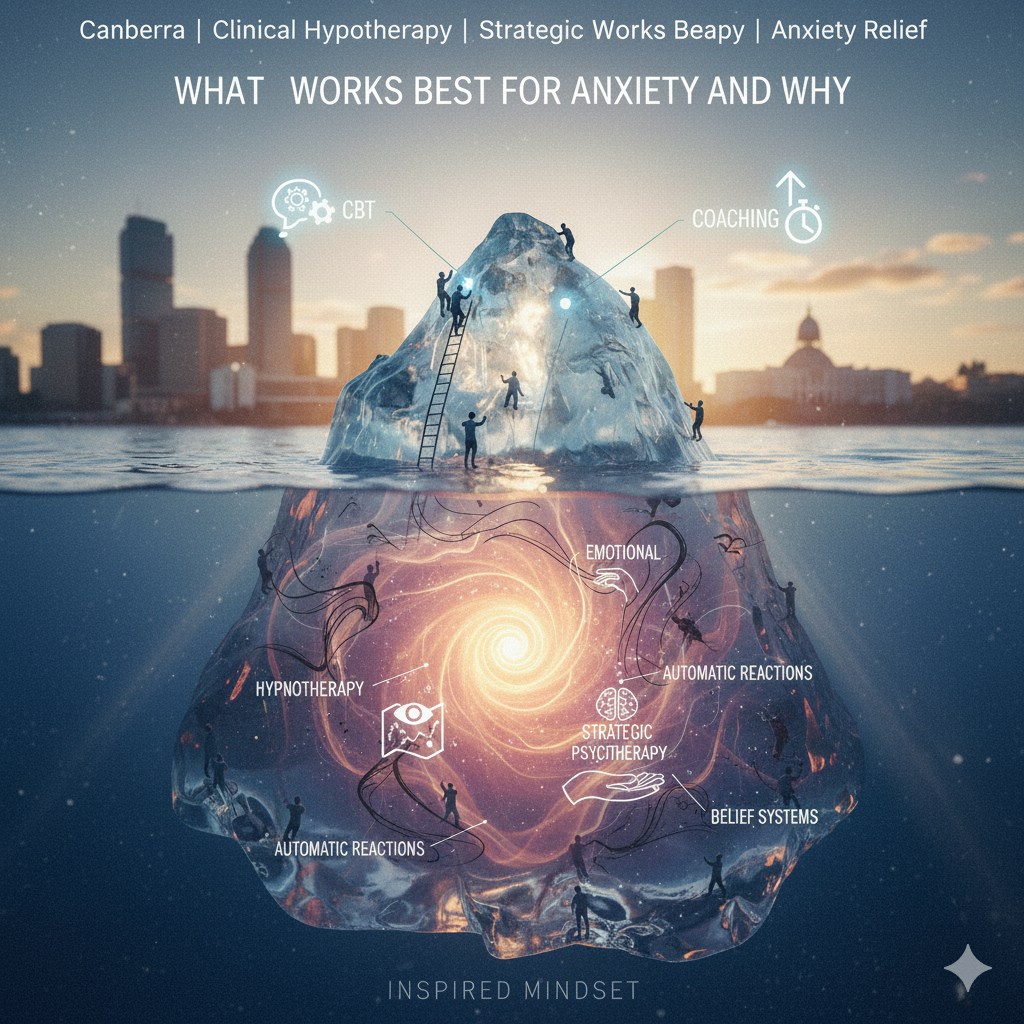
Hypnosis is characterised by focused attention, increased responsiveness to suggestions, and profound relaxation. Where your awareness is heightened, your mind becomes open to suggestions, and deep relaxation takes over. Imagine being completely engrossed in a story or film, oblivious to the outside world, and discovering a new inner realm. With hypnosis, it's like unlocking the hidden potential of your subconscious mind, bypassing the critical and analytical barriers. The subconscious mind is like a computer's hard drive, the hidden force behind your daily routines. Like a computer's hard drive, it stores patterns and behaviours that shape your actions. Don't underestimate its influence - it operates in the background, shaping your life based on past experiences and learned behaviours. Tap into its potential and unlock the secrets to success.
During hypnosis, the hypnotist can directly introduce new ideas and suggestions to the subconscious. These suggestions can help reframe negative and raise positive patterns, making it a powerful tool for change. In the context of addiction, hypnosis can address underlying emotional traumas, beliefs, and triggers that contribute to addictive behaviours, offering a path to healing and recovery.
The Concept of Addiction and Its Profound Impact
Addiction is often misunderstood as a lack of willpower or a bad habit. It's a complex condition involving the brain's reward system, where specific behaviours or substances trigger a pleasurable response. Over time, as one repeatedly seeks out this pleasurable sensation, the brain starts to rely on it, leading to increased cravings and a perceived need for the substance or behaviour.
At its core, addiction is characterised by compulsive engagement in rewarding stimuli despite adverse consequences. It's not just about drugs or alcohol; addictions can range from food, gambling, shopping, or even certain relationship behaviours.
The impact of addiction on an individual's life can be profound and far-reaching:
- Physical Health: Chronic substance abuse can lead to many different health concerns
- Mental Well-being: Addiction often co-occurs with anxiety, depression and bipolar disorder, creating a constant need for the next fix, leading to increased stress, guilt, and hopelessness.
- Relationships: Addictions strain personal relationships. Trust issues emerge, and loved ones often feel helpless, watching someone they care about become dependent.
- Financial Stability: Maintaining an addiction can be costly. Whether it's buying substances, gambling losses, or even the loss of a job due to decreased performance, the financial toll can be devastating.
- Life Goals and Aspirations: Addiction can derail one's life goals. Educational pursuits, career advancements, and personal growth can all take a backseat to the overpowering need to feed the addiction.
Understanding addiction is the first step towards empathy and effective intervention. Recognising its profound impact on every facet of an individual's life underscores the importance of support, treatment, and recovery.
Limitations of Conventional Addiction Treatment Methods
While traditional addiction treatments have undoubtedly helped countless individuals on their journey to recovery, they're not without their shortcomings. Understanding these limitations can pave the way for more holistic and individualised approaches to addiction treatment. Here are some of the primary challenges associated with conventional methods:
- One-Size-Fits-All Approach: Traditional treatments often employ a standardised methodology, assuming that what works for one person will work for another. However, addiction is a deeply personal experience, and what proves effective for one individual might not resonate with another.
- Relapse Rates: Many individuals risk relapse after completing a treatment program. Conventional methods sometimes fail to address the root causes of addiction or equip individuals with long-term coping strategies.
- Stigma and Shame: Traditional treatment environments can sometimes perpetuate the stigma associated with addiction. This can deter individuals from seeking help in the first place or lead to feelings of shame and isolation during the recovery process.
- Lack of Comprehensive Aftercare: Once a treatment program is completed, individuals are often left to navigate the challenges of sobriety on their own. Without a robust aftercare plan, the transition back to everyday life can be daunting, increasing the risk of relapse.
High-quality addiction treatment can be expensive, and not everyone can access the necessary resources. This can leave many without the required support, leading to untreated or undertreated addictions. While these challenges exist, it's essential to note that many conventional treatments have evolved, incorporating feedback and new research findings. However, recognising these limitations underscores the importance of continued innovation in addiction therapy, ensuring everyone receives the comprehensive, personalised care they deserve.
This section offers a clear perspective on the limitations of traditional addiction treatments.
The Power of Hypnotherapy in Addiction Recovery
Hypnotherapy, often overlooked in addiction treatment, holds transformative potential for those grappling with dependencies. By tapping into the subconscious mind, hypnotherapy offers a unique approach to understanding the deep-seated triggers and patterns that fuel addiction. Here's a closer look at the power of hypnotherapy in the journey to recovery:
- Unearthing Root Causes: Unlike some conventional treatments that focus primarily on the symptoms of addiction, hypnotherapy delves deep into the subconscious to uncover the underlying traumas, beliefs, and experiences that may contribute to addictive behaviours. By addressing these root causes, individuals can achieve a more profound and lasting healing.
- Reframing Negative Patterns: Through guided sessions, hypnotherapists can help individuals recognise and reframe negative thought patterns and behaviours. The subconscious mind can be reprogrammed by introducing positive affirmations and suggestions to adopt healthier coping mechanisms.
- Enhancing Motivation and Commitment: Hypnotherapy can bolster an individual's motivation to break free from addiction. By visualising a life free from dependency and its associated challenges, individuals can strengthen their commitment to recovery.
- Stress and Anxiety Reduction: Many turn to substances or addictive behaviours as a way to cope with stress and anxiety. Hypnotherapy offers relaxation techniques and strategies to manage these emotions, reducing the need to rely on harmful coping mechanisms.
- Boosting Self-esteem and Self-worth: A diminished sense of self-worth can be both a cause and a consequence of addiction. Through hypnotherapy, individuals can rebuild their self-esteem recognising their value and potential.
- Relapse Prevention: By equipping individuals with tools to address triggers and cravings subconsciously, hypnotherapy can play a crucial role in relapse prevention. Individuals learn to respond to challenges without resorting to their addiction.
- Holistic Healing: Hypnotherapy doesn't just address the addiction itself but promotes overall well-being. Individuals can embark on a holistic healing journey by fostering a deeper connection between the mind and body.
Incorporating hypnotherapy into addiction recovery can offer a multi-dimensional approach, addressing the physical and psychological aspects of dependency. While it may not be the sole solution for everyone, it is a powerful adjunctive therapy, providing individuals with additional tools and insights to navigate recovery challenges.
Exploring the Research
The use of hypnotherapy in addiction treatment has been a subject of interest for researchers and clinicians alike. While hypnotherapy might seem unconventional to some, a growing body of evidence suggests its potential efficacy in addressing various addictions. Let's delve into some of the key findings from the research:
- Brain Imaging Studies: Advanced neuroimaging techniques, such as fMRI, have shown that hypnosis can alter brain activity in regions associated with attention, awareness, and the processing of emotional experiences. This suggests that hypnotherapy can tap into and modify the brain's neural pathways related to addiction.
- Smoking Cessation: One of the most researched areas of hypnotherapy is its use in smoking cessation. Multiple studies have indicated that individuals who undergo hypnotherapy are more likely to remain non-smokers over time than those who don't. A study published in the Journal of Nursing Scholarship found that smokers who participated in a single hypnotherapy session were likelier to abstain after six months than those who received behavioural counselling.
- Alcohol Dependency: Research published in the American Journal of Clinical Hypnosis highlighted that when hypnotherapy was combined with traditional treatment methods for alcoholism, participants reported a higher abstinence rate and felt more empowered to resist the urge to consume alcohol.
- Opioid Addiction: Preliminary studies have shown that hypnotherapy can be beneficial in managing pain, reducing the need for opioid painkillers, and thus decreasing the risk of dependency. By addressing both the physical pain and the psychological cravings, hypnotherapy offers a dual approach to opioid addiction treatment.
- Enhanced Cognitive Behavioral Therapy (CBT): Combining CBT with hypnotherapy can amplify the benefits of treatment. A study in the International Journal of Clinical and Experimental Hypnosis found that individuals receiving CBT and hypnotherapy for cocaine addiction had higher abstinence rates than those receiving CBT alone.
- Addressing Co-occurring Disorders: Research has shown that hypnotherapy can effectively treat anxiety, depression, and PTSD – often co-existing with addiction. By addressing these underlying disorders, hypnotherapy can reduce the likelihood of individuals turning to substances or behaviours as coping mechanisms.
While the research on hypnotherapy and addiction is promising, combined with cognitive behaviour therapy, this can be a very effective strategy to overcome addictions.
Synergising Hypnosis with Evidence-Based Therapies
While powerful, hypnosis can be even more transformative when combined with other evidence-based therapeutic modalities. Integrating hypnosis with approaches like Cognitive-Behavioral Therapy (CBT) and mindfulness practices can offer individuals a comprehensive, multi-faceted treatment plan.
Hypnosis and CBT:
- Deepened Insights: While CBT helps individuals identify and challenge negative thought patterns, hypnosis can deepen these insights by accessing the subconscious mind and uncovering underlying beliefs and traumas.
- Enhanced Receptivity: Hypnosis can make the mind more receptive to CBT's positive affirmations and cognitive restructuring techniques.
- Accelerated Progress: Some individuals may find that combining hypnosis with CBT accelerates their progress, as they can address issues on both conscious and subconscious levels.
Hypnosis and Mindfulness Practices:
- Heightened Awareness: Both hypnosis and mindfulness aim to cultivate heightened awareness. When combined, individuals can achieve a deeper state of relaxation and self-awareness.
- Emotional Regulation: Hypnosis can enhance the emotional regulation benefits of mindfulness, helping individuals respond to stressors with calmness and clarity.
- Strengthened Mind-Body Connection: Both therapies emphasise the connection between the mind and body. This combined approach can amplify the therapeutic benefits, fostering holistic healing.
- Enhanced Relapse Prevention: By addressing addiction from multiple angles—conscious thought patterns, subconscious beliefs, and present-moment awareness—individuals are better equipped to recognise triggers and prevent relapses.
- Comprehensive Skill Building: While CBT offers practical tools for challenging negative thoughts and behaviours, and mindfulness teaches present-moment awareness, hypnosis can reinforce these skills at a subconscious level. This multi-layered approach ensures that individuals have a robust set of tools.
- Personalised Treatment: Not every therapy resonates with every individual. By offering a combination of approaches, therapists can tailor treatment plans to suit each person's unique needs and preferences.
- Reinforced Positive Change: The combined effect of these therapies can support positive changes, ensuring that new, healthier habits are deeply ingrained and long-lasting.
Incorporating hypnosis into a broader therapeutic framework can offer individuals a richer, more holistic healing experience. By drawing on the strengths of multiple modalities, individuals can navigate the challenges of recovery with diverse tools and strategies, enhancing their chances of long-term success.
Conclusion
At Inspired Mindset, we champion the transformative power of the mind. Our holistic approach combines hypnotherapy with evidence-based therapies tailored to each individual's needs. Whether you're in Canberra seeking in-person sessions or looking for online consultations elsewhere, our commitment is to guide you on a transformative journey for healing and self-improvement.